Core Mechanics

What is the player doing?
The terms core mechanics and game mechanics are sometimes used interchangeably by media and in casual conversation. However, they represent distinct concepts within game design.
Core mechanics are the fundamental actions that players repeatedly perform to achieve their goals in a game. These core actions form the heart of gameplay and answer the question: What is the player doing in the game? For example, in a platformer game, core mechanics might include jumping and running.
Game mechanics encompass the entire system of rules, structures, and interactions that define how the game functions. They include core mechanics as well as additional elements like game goals, player abilities, and environmental interactions. Game mechanics answer the question: How does the game work?
To put it simply, core mechanics are the key actions players take, while game mechanics provide the full framework and rules that support and guide these actions. For instance, in a strategy game, core mechanics might involve making tactical decisions, but game mechanics also include rules about how resources are managed and how players win.
Understanding the distinction between core mechanics and game mechanics helps in analyzing and designing games by clarifying which elements are central to gameplay and which elements support and expand on those central actions.
Challenge
Challenge is closely linked to core mechanics. The design of core mechanics directly impacts the level of challenge players experience. For example:
- In action games, the core mechanics often involve quick reflexes and precise timing, which creates a challenge that tests players' skills.
- In strategy games, managing resources and making strategic decisions can create a different type of challenge, focusing on planning and foresight.
Technology
Technology influences and enables core mechanics. Advances in technology can introduce new types of core mechanics or enhance existing ones:
- Virtual Reality (VR): Allows for immersive core mechanics involving physical movement and interaction.
- Mobile Devices: Introduced touch-based mechanics, such as swiping and tapping, which have become fundamental to mobile games.
Understanding the relationship between core mechanics, challenge, and technology helps designers create more engaging and innovative gameplay experiences.
Game Genres
To explore how players interact with different types of games, we need to understand game genres. Game genres categorize games based on their core mechanics and overall gameplay experience. Marketing analysts and psychologists use these classifications to gain insights into what players enjoy and how different types of games function.
Game genres essentially group games by their core mechanics. For instance, a game where the primary activity involves shooting enemies is classified as a shooter game. By examining core mechanics, we can understand why certain genres, such as action, strategy, or simulation, offer distinct gameplay experiences. This categorization helps us grasp how core mechanics shape the game's design and player experience.
Here are some common game genres and their defining core mechanics:
- **Action Games: ** Focus on timing, reflexes, and hand-eye coordination. Simulation Games: Mimic real-life activities and often involve managing resources and systems. Strategy Games: Emphasize planning and managing resources and units. Adventure Games: Involve exploration and puzzle-solving. Casual Games: Focus on straightforward, often repetitive actions, such as solving puzzles. Educational Games: Designed with the purpose of teaching or training. Experimental Games: Feature unconventional mechanics and gameplay styles.
Exploring these genres helps us understand how core mechanics define gameplay experiences and contribute to the diverse landscape of video games.
Action Games
-
Action Games focus on timing, reflexes, hand-eye coordination, and quick thinking to achieve a good score.
 Fig 1. A jumping platformer is a type of action game
 -
First Person Shooters (FPS) are a sub-genre of action games where players see through the character's eyes, aiming to shoot anything that moves. These games are fast-paced and have shaped the action genre significantly. Notable examples include Doom, which, due to the technological limitations at the time, only rendered the player's weapon to simulate a first-person perspective.
-
Platformer Games are another popular sub-genre, focusing on running and jumping across platforms.
-
-
Impact on Challenge: Action games often present challenges that test players' quick reflexes, coordination, and decision-making skills. For instance, FPS games require rapid aiming and shooting in dynamic environments, while platformers demand precise timing and movement to navigate obstacles.
-
Technology's Influence: Advances in technology enhance action games by enabling more sophisticated mechanics and interactions. For digital games, improved graphics and processing power contribute to more immersive experiences. In non-digital contexts, technology like motion sensors in laser tag provides novel ways to engage players and create interactive challenges.
Simulation Games
-
Simulation Games aim to replicate real-life activities. Popular sub-genres include life sims, racing/driving games, sports games, and flight simulators.
 Fig 2. Simulation games such as racing mirror real-world activities.
 - Fighting Games often involve hand-to-hand combat and could be considered simulation games. However, they usually focus more on timing and reflexes, thus often being categorized under action games.
-
Impact on Challenge: Simulation games challenge players by requiring them to manage complex systems or master real-world skills. For example, flight simulators demand precise control and understanding of aviation principles, while life simulation games test players' ability to manage various aspects of virtual life.
-
Technology's Influence: In digital simulations, technology advances lead to more realistic and detailed experiences, such as improved physics engines and high-resolution graphics. For non-digital simulations, technology can include tools and models that replicate real-world scenarios, enhancing the educational and training value of simulation games.
Strategy Games
-
Strategy Games focus on planning and managing resources and units. Traditionally turn-based, modern Real-Time Strategy (RTS) games allow simultaneous play.
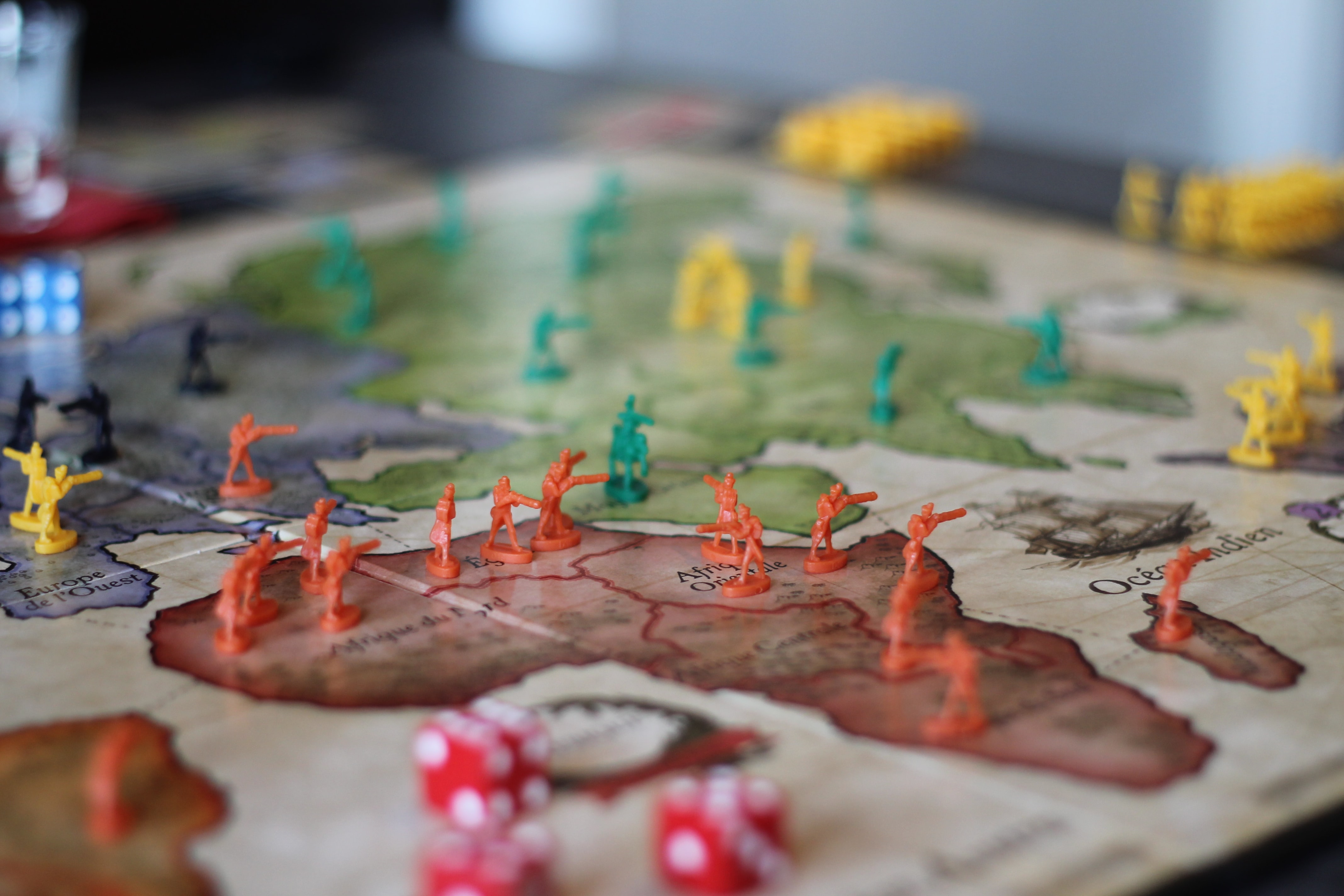 Fig 3. Strategy games focus on the management of units.
- In some strategy games, the goal might be to build and run a city, manage an army, or design a roller coaster.
-
Impact on Challenge: Strategy games challenge players to think critically and make long-term plans. They require managing resources, anticipating opponents' moves, and adapting strategies based on evolving game states.
-
Technology's Influence: Technological advancements expand the scope of strategy games by allowing more complex simulations and larger-scale interactions. Digital tools enable sophisticated AI opponents and extensive multiplayer scenarios, while non-digital strategy games benefit from enhanced physical components and game pieces that support strategic gameplay.
Adventure Games
-
Adventure Games involve controlling a character in an environment to uncover a story. Core mechanics include exploration and puzzle-solving.
-
Early examples include Text-Adventure Games like Adventure, where players interact using text commands.
-
Action-Adventure games are more common today, combining exploration with action elements. Examples include The Legend of Zelda and Tomb Raider.
 Fig 4. Adventure games allow you to control a character in an environment.
- Role-Playing Games (RPGs), a sub-genre of adventure games, feature story-impacting player decisions. Massive Multiplayer Online RPGs (MMORPGs) are another popular variant.
-
-
Impact on Challenge: Adventure games present challenges through exploration and problem-solving. Players must navigate complex environments and solve puzzles to progress through the story.
-
Technology's Influence: Technology enhances adventure games by enabling richer narratives and more interactive environments. Digital advancements allow for detailed graphics and dynamic storytelling. Non-digital adventure games, like escape rooms, use physical elements and puzzles to create immersive experiences.
Casual Games
-
Casual Games are characterized by straightforward mechanics and easy-to-learn gameplay. Sub-genres include Puzzle Games and Party Games.
 Fig 5. Puzzle games are a sub-genre of casual games..
- Puzzle Games involve solving problems with interactive elements. Examples include Tetris and 2048.
- Party Games, like Super Mario Party, often involve mini-games and social interaction.
-
Impact on Challenge: Casual games typically offer challenges that are accessible and enjoyable for a wide audience. Puzzle games engage players with problem-solving tasks, while party games promote social interaction and friendly competition.
-
Technology's Influence: For digital casual games, technology enables diverse platforms and intuitive interfaces. Mobile devices and online connectivity have expanded the reach of casual games. Non-digital casual games, such as board games or trivia games, use physical components and social elements to create engaging experiences.
Educational Games
-
Educational Games are designed to teach or train. Historically criticized for their lack of engaging core mechanics, modern educational games often integrate learning into more traditional genres.
- Examples include Civilization (strategy) and Assassin's Creed Odyssey (action-adventure).
-
Impact on Challenge: Educational games challenge players with tasks related to learning objectives, making the educational process more engaging. They often combine educational content with gameplay elements to keep players motivated.
-
Technology's Influence: Advances in technology have improved educational games by providing interactive and immersive learning experiences. Digital platforms support complex simulations and adaptive learning tools. Non-digital educational games, such as interactive learning tools and educational kits, also leverage technological innovations to enhance learning.
Experimental Games
-
Experimental Games explore unconventional mechanics and gameplay styles. Examples include LocoRoco, where players interact with a character that changes shape and behavior based on the environment.
-
Impact on Challenge: Experimental games introduce unique challenges that require players to adapt to novel mechanics and gameplay concepts. These games often push the boundaries of traditional gaming experiences.
-
Technology's Influence: Technology facilitates the creation of experimental games by providing tools for innovation and experimentation. Digital technologies allow for the development of unconventional gameplay elements, while non-digital experimental games can use physical and mechanical innovations to create unique play experiences.
Limitations of Game Genres
While categorizing games provides a common language for developers and publishers to use for describing a game, it can restrict the creative process and lead designers toward tried-and-true gameplay solutions.
The Youtube channel Extra Credits highlighted just how ineffective it is to define games by the current list of game genres.
Vid 1. Extra Credits: Aesthetics of PlaySocio-Cultural Considerations
When considering the socio-cultural aspects of core mechanics, accessibility should be the primary focus. Designing core mechanics with accessibility in mind ensures that players of varying abilities can enjoy the game. Key considerations include:
-
Physical Accessibility: Core mechanics should be adaptable to different physical abilities. For instance, games involving actions like running or jumping should offer customizable control options to accommodate diverse player needs.
-
Cognitive Accessibility: Mechanics should be clear and intuitive to prevent overwhelming players. Simple and straightforward mechanics help players from different backgrounds understand and engage with the game effectively.
In addition to accessibility, core mechanics should also align with the target market's preferences and expectations. By prioritizing accessibility and ensuring that core mechanics resonate with the intended audience, designers can create a more inclusive and engaging gaming experience.
Agile Core Mechanics
Designing core mechanics is an iterative process that benefits greatly from an agile approach. This methodology involves continuously testing and refining mechanics through playtesting and feedback.
Playtesting provides crucial insights into how core mechanics function and impact player experience. For core mechanics like strategic planning or puzzle-solving, physical prototypes can be useful for initial testing and refinement. However, for mechanics involving real-time actions, such as running and jumping in action games, digital prototypes are essential. These allow for testing the actual feel and responsiveness of these actions within the game environment.
Iterative Refinement is key to improving core mechanics. By continually adjusting based on player feedback, designers ensure that core actions are polished and align with player expectations. This iterative process helps in fine-tuning the fundamental actions that drive gameplay.
By using an agile methodology, designers can effectively refine core mechanics, making sure they adapt to player needs and preferences while integrating seamlessly into the overall game design.
Summary
Core mechanics are the fundamental actions players repeatedly perform to achieve their goals, forming the essence of gameplay. They differ from broader game mechanics, which include all the rules and interactions that support these core actions.
Core mechanics shape the overall gameplay by defining the types of challenges players face and the strategies they use. For instance, action games depend on mechanics like quick reflexes, while strategy games emphasize planning and resource management. Technological advancements can both introduce new core mechanics and enhance existing ones, contributing to innovative and engaging experiences.
Understanding how core mechanics define game genres is crucial. Analyzing the core mechanics in genres such as action, strategy, or simulation reveals how they create unique gameplay experiences. Accessibility is also a key consideration; designing core mechanics that accommodate various physical and cognitive abilities ensures a more inclusive game.
Additionally, adopting an agile approach is essential for refining core mechanics. Continuous playtesting and iterative refinement, using physical prototypes for some mechanics and digital prototypes for real-time actions, help ensure that core mechanics are polished and effectively aligned with player feedback and technological advancements..